
THE BEST GINGERBREAD RECIPE
The aroma of cinnamon, honey, and freshly baked gingerbread can conjure up the true Christmas atmosphere in just a few minutes. Whether you love soft, fluffy gingerbread "like Grandma's," or enjoy decorating hard, decorative gingerbread cookies, modern ORAVA kitchen appliances help you get it done faster, easier, and with a perfect result. We have prepared not only two proven recipes for you but also interesting facts about the history of gingerbread, regional traditions, and a few practical tips to make the entire baking process easier. Get your bowl and spices ready and turn on the mixer – Christmas is just beginning!

The History of Gingerbread - Where Does this Sweet Treat Come From?
Gingerbread, as we know it today, has roots deep in medieval Europe. It arrived in Europe thanks to Arab influence – primarily through the spice trade. Original recipes contained a mixture of honey, flour, and aromatic herbs, and later oriental spices like cinnamon, cloves, star anise, or pepper.
Regional Differences in European Recipes
• Germany (Nuremberg) – the traditional "Nürnberger Lebkuchen" is moist, honey-based, often flourless, with nuts, almonds, and candied fruit. Baking on wafers is also typical.
• Czech Republic (Pardubice and Hradec Králové) – Czech gingerbread tends to be more spiced, softer, often filled with plum jam or spread with jam. Traditional Pardubice Gingerbread is a protected designation.
• Austria – the local "Lebkuchen" is usually drier and denser, often flavored with rum.
• Poland (Toruń Gingerbread) – the Polish variant "pierniki" is strongly spiced and harder, perfect for cut-out shapes.

Recipe for Traditional Soft Gingerbread in a Baking Pan (Like Grandma's)
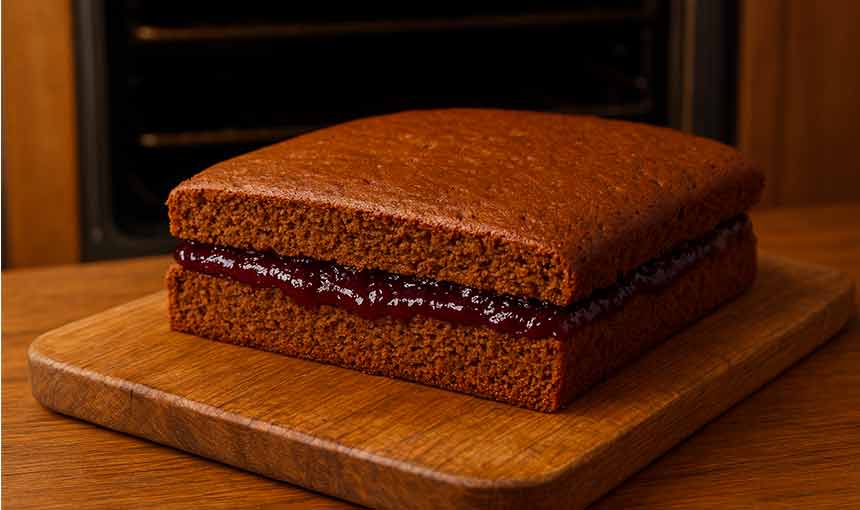
Soft, fluffy, beautifully fragrant, and can be spread with jam or cream. We have prepared a list of ingredients you will need to buy.
Required Ingredients (for a classic baking pan approx. 25×35 cm)
• 350 g plain flour
• 150 g granulated sugar
• 2 tablespoons good quality cocoa
• 2 teaspoons ground cinnamon
• 1 package gingerbread spice mix
• 2 teaspoons baking soda
• 2 eggs
• 250 ml milk
• 120 ml oil
• 200 g honey
• 3 tablespoons jam (for the dough)
• Jam for spreading (plum or apricot)
Make Dough Preparation Easier with Orava!
Gingerbread dough is one of the denser ones and can sometimes be quite a chore. If you want the mixture to be beautifully smooth and evenly combined without long stirring, the ORAVA RM-1200 multifunctional hand mixer is excellent.
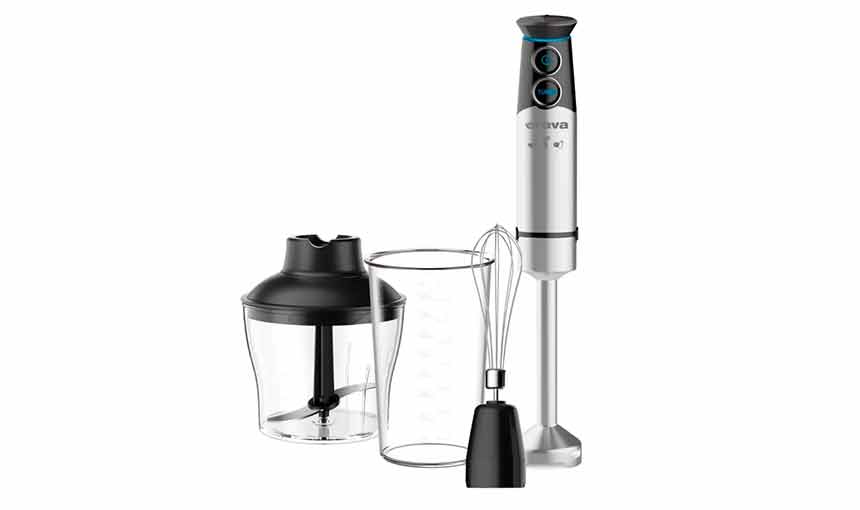
Thanks to the powerful 1200W motor, it can handle even thicker consistency, the continuous speed regulation allows you to precisely set the mixing intensity, and its ergonomic shape makes it comfortable to work with even during longer whipping. It also includes attachments for mixing and whipping, so you can use it not only for gingerbread but also for preparing creams, glazes, or doughs for other Christmas treats.
Gingerbread Preparation Procedure
1. Preparation of the liquid mixture
Whisk the eggs, sugar, milk, honey, and oil in a bowl – ideally with the Orava RM-1200 hand mixer, to make the mixture beautifully smooth and fluffy.
2. Combining with dry ingredients
In another bowl, mix the flour, cocoa, gingerbread spice, cinnamon, and baking soda. Then gradually add the liquid mixture and continue mixing with the blender.
3. Baking
Pour the batter into a greased and floured baking pan. Bake at 170 °C for approximately 30–35 minutes.
4. Spreading
Once cooled, cut the gingerbread in half and spread a layer of jam on it. You can also add a butter or cream cheese frosting.
Decorating and storing gingerbread
• You can pour chocolate icing over the top of the gingerbread
• Well wrapped in aluminum foil, it stays moist for up to 5 days
• For even greater softness, let it "rest" for a day
Tips and tricks on how not to ruin gingerbread
• Don't overmix the dough - a smooth combination is enough
• Use high-quality honey, ideally liquid - it mixes better
• Baking soda needs an acidic component - honey and jam help with leavening
• Strictly monitor the temperature - too high will make the gingerbread hard and (burn it!)
Recipe for hard decorative gingerbread for ornaments (cut-out shapes)
Make perfect Christmas decorations at home with your family or children, decorated with royal icing. Children love cheerful motifs and traditional Christmas figures.

Ingredients for hard gingerbread
• 500 g plain flour
• 150 g powdered sugar
• 100 g honey
• 50 g butter
• 2 eggs
• 2 teaspoons gingerbread spice mix
• 1 teaspoon cinnamon
• 1 teaspoon baking soda
For the royal icing
• 1 egg white
• 150–170 g powdered sugar
• A few drops of lemon juice
Typical shapes of hard gingerbread cookies
• Animals: horses, sheep, fish
• Christmas shapes: stars, trees, angels, bells
• Hearts of all sizes
• Cottages and houses
• Gingerbread tradition figures (man, woman)
• Decorative gingerbread ornaments for the tree
Step-by-step production procedure
1. Preparing the gingerbread dough
• Gently heat the honey with the butter in a small pot or bowl over steam, just enough for them to combine (do not boil!).
• Mix all dry ingredients in a bowl: flour, sugar, gingerbread spice, cinnamon, and baking soda.
• Add the melted honey and butter, eggs, and start kneading the dough into the dry mixture.
• Mix until the dough is smooth, compact, and non-sticky.
• Wrap the finished dough in food film and let it rest for at least 12 hours in the refrigerator - the flavor will develop, and the dough will hold its shape better.
2. Cutting out the dough
• Take the rested dough out of the refrigerator and let it soften for 5–10 minutes.
• Roll out a sheet 4–5 mm thick on a floured surface.
• Cut out your favorite shapes using cookie cutters.
• Transfer the dough to a baking sheet lined with baking paper.
3. How to bake gingerbread
• Preheat the oven to 165–170 °C.
• Bake the gingerbread cookies for 7–10 minutes - smaller shapes for a shorter time, larger ones slightly longer.
• They will be soft when taken out of the oven, but will harden slightly upon cooling, which is fine (ideal for decorating).
Royal Icing (for decorating)
Preparing the icing
1 Mix the egg white, powdered sugar, and a few drops of lemon juice in a bowl.
2 Whip until a smooth, thick, glossy icing is formed that holds its shape and does not run.
Decorating the cookies
1 Transfer the icing to a piping bag or paper cone.
2 Decorate according to your imagination - lines, dots, snowflakes, contours, and delicate ornaments are cool.
Baking Tips and Tricks from Orava
• Always let the dough rest – the flavor will develop, and it's easier to work with.
• Use truly fine powdered sugar for decorating.
• Correct icing consistency: it must hold its shape but must not run.
• Hard gingerbread will soften over time if you close it in a box with half an apple (in a bag).
Where did the gingerbread spices come from?
Although gingerbread as a sweet treat originated in Europe, its unmistakable aroma has roots much further East. Most typical gingerbread spices come from exotic regions of Asia and reached Europe through long trade routes, where oriental spices were valued like gold in the past.
• Cinnamon comes from the island of Ceylon (today's Sri Lanka) and is one of the oldest known spices.
• Cloves were imported from the Moluccas, which were the main center of the world spice trade for centuries.
• Ginger originates from South and Southeast Asia and was valued in antiquity for its pungent aroma and medicinal properties.
It was these spices that gave sweets in Asia a distinct, slightly spicy flavor. Ginger and honey desserts from the East thus became the direct inspiration for the European "gingerbread," which evolved over the centuries into today's form of gingerbread.
The American Variant – Gingerbread
The recipe reached America with European colonists. And it actually became an overseas dominant feature of the culture, as well as Hollywood Christmas movies and all sorts of objects, things, and ideas associated with American Christmas. American gingerbread is characterized by its moistness, more pronounced ginger, and often the addition of molasses, which gives it a dark color.
Main differences in ingredients
• Less spice than European versions
• Pronounced flavor of molasses
• Frequent use of butter instead of oil
History and famous places associated with gingerbread
Nuremberg (Germany)
Famous for gingerbread production since the 14th century due to the ideal accessibility of spices. The city still has artisan workshops and its own gingerbread museums today.
Pardubice (Czech Republic)
The world-famous Pardubice Gingerbread is a symbol of the city. The first workshops were established in the 16th century, and the tradition continues in manufacturers today.
Toruń (Poland)
Toruń Gingerbread is so famous that there is even a Museum of Gingerbread here, where production demonstrations take place.
Monasteries – Monasteries of medieval Europe
The first systematic gingerbread recipes came precisely from monks. They used honey from their own hives and grew herbs that formed the first "gingerbread spice."
So, let's get started!
Whether you embark on soft sheet gingerbread or decorative gingerbread cookies, they will beautifully scent your home and set the festive mood. Thanks to ORAVA assistants, you can handle the preparation easily and with a guaranteed result.
We would be happy if you shared your baked gingerbread with us. Send us a photo or tag us on ORAVA social media. We look forward to your creations - your ORAVA!
Article author - ORAVA editorial team