Summer brings an abundance of everything. Gardens are bursting with fruits and vegetables, meadows are full of medicinal herbs, and forests are rich in mushrooms. Everything you can’t consume right away can be preserved for future use. You can stock up for the whole year – from dried rose hips and apples to jams, compotes, and even dried meat. One of the oldest methods for preserving food is drying.
Without preservatives and less volume
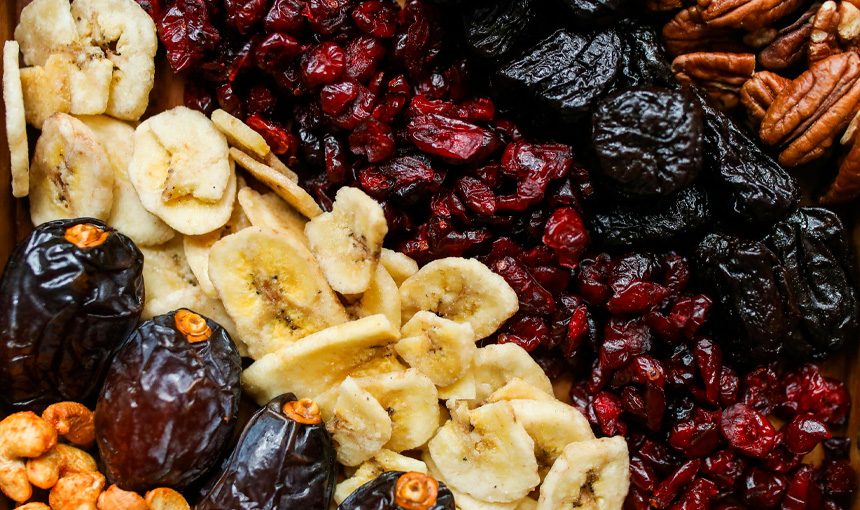
Drying food is one of the oldest preservation methods. By removing moisture, the growth of microorganisms and enzymes that spoil food is stopped. This way, most of the nutrients are retained, and the taste becomes more intense. Fruits and vegetables lose weight and volume, making them easier to store and extending their shelf life – and most importantly, without any preservatives!
You need a quality helper
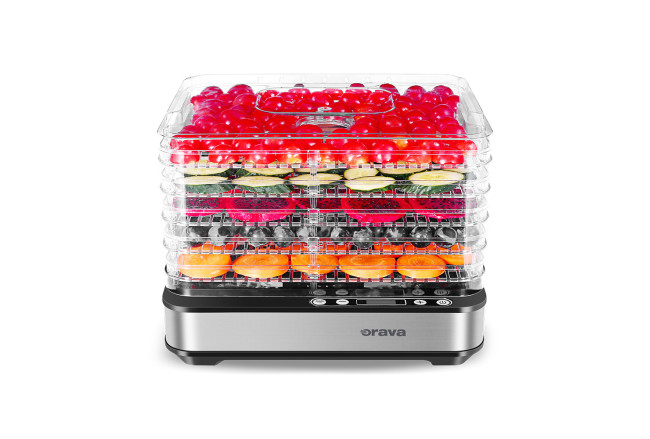
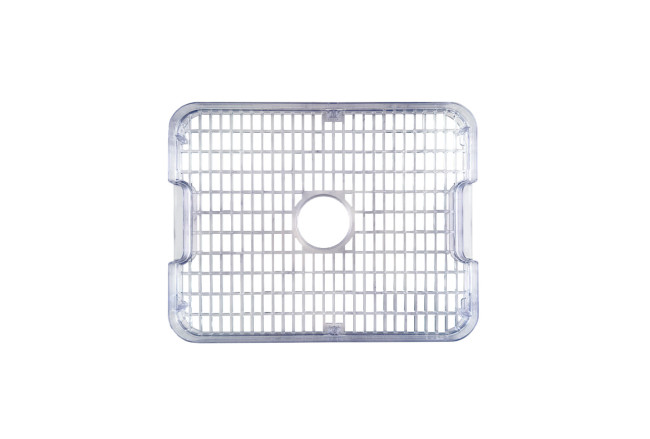
You can dry food easily at home with a handy appliance – such as the Orava SU-106 digital food dehydrator. It comes with five drying trays and can be expanded up to ten trays, perfect for large quantities of dried fruits, vegetables, mushrooms, or herbs. Anyone can use it, and drying becomes fun. You can dry everything from your garden, meadow, forest, or orchard – even meat.
Stick to these rules
What should you keep in mind when drying food? First, always use fresh, healthy, and ripe produce – no damage or mold. A great trick is to briefly blanch vegetables before drying; it keeps the color bright and increases shelf life. For even drying, slice food into equal pieces, ideally 2–5 mm thick. Thicker slices take longer and may dry unevenly, increasing the risk of mold.
Place food in a single layer on each tray – the slices should not overlap. Airflow must circulate evenly around each layer. Every food type has its optimal drying time and temperature – it’s crucial to follow these guidelines. Below is a handy table of foods and their ideal drying conditions. In general, fruit should be dried at 50–60 °C, vegetables at 50–55 °C. Herbs need lower temperatures, between 35–45 °C, as higher heat can destroy aromatic oils.
| Food type |
Temperature |
Approx. time |
After drying |
| Apples |
55–60 °C |
6–10 hrs |
flexible, not sticky |
| Pears |
55–60 °C |
8–12 hrs |
slightly soft, leathery |
| Strawberries |
50–55 °C |
8–12 hrs |
firm, pliable |
| Grapes |
50 °C |
20–30 hrs |
dark, wrinkled |
| Tomatoes |
55–60 °C |
10–15 hrs |
dry, flexible |
| Carrots |
50–55 °C |
6–10 hrs |
crunchy or firm |
| Onion |
50–55 °C |
6–8 hrs |
dry, brittle |
| Garlic |
45–50 °C |
6–8 hrs |
crisp, hard |
| Herbs |
35–45 °C |
2–5 hrs |
crisp, aromatic |
| Parsley leaves |
35–40 °C |
2–4 hrs |
crisp, green |
While drying, regularly check the food's condition and adjust time or temperature as needed. Properly dried fruit should be flexible and leathery, not sticky. Vegetables should be firm or crisp, never moist – moisture can lead to mold during storage. Once dried, let food cool completely. Store it in airtight containers, like glass jars or vacuum bags, in a cool, dry, and dark place (e.g., a pantry). After a few days, check for condensation – if you see moisture, it means the food wasn’t dried enough and could spoil.
What about meat?
Drying food isn’t rocket science. Start with something simple like apples or herbs, and when you're ready, try drying meat. But hygiene is **critical**! Use only lean meat without fat (beef, turkey, chicken). You can pre-treat it with salt and vinegar or briefly bake it to kill harmful bacteria like salmonella or E. coli. Cut meat into thin strips (about 5 mm) across the grain. Dry it at 60–70 °C for 6–12 hours – it must be dry but not rock hard. It should bend and break slightly. Store dried meat in vacuum-sealed bags or in the fridge or freezer. Unlike fruits or herbs, meat can spoil even when dry.

So get out into nature and preserve the gifts of summer in the best organic quality possible! With the right helper, drying food is a joy.
Photos: Orava, pexels.com