Langoše, golden deep-fried flatbreads, are today seen as a typical snack at markets, swimming pools, and festivals. In reality, however, they originate from Hungary and that from the 18th century, where they are called „lángos“, which comes from the word „láng“ – meaning flame. They were originally baked directly in a wood-fired oven, where the dough was placed close to the fire, and thanks to the radiant heat, a crispy crust and a fluffy interior were created. It was a cheap and quick alternative to fresh bread.
The recipe gradually spread to Slovakia and from there on to us, where it became an inseparable part of summer experiences. Exactly who invented the first langoš is not precisely known – it is rather a dish of folk cuisine, which was born out of the necessity to process dough in a way other than just into loaves of bread. The truth is, however, that variations of langoš also occur in other countries, for example, in Romania, Serbia, or Bulgaria, where they are often served with sheep cheese or meat. In Hungary, langoš still enjoys such popularity that thematic festivals and competitions are dedicated to it.

Langoš, originally a traditional Hungarian dish from the 18th century, is today considered one of the iconic examples of Central European street food. Variations of langoš also occur in other countries, for example, in Romania, Serbia, or Bulgaria, where they are often served with sheep cheese or meat. In Hungary, langoš still enjoys such popularity that thematic festivals and competitions are dedicated to it.
Ingredients and Precise Raw Materials
For classic homemade langoše for four people, you will need:
- 500 g of all-purpose flour (approx. 4 cups) – ideally type 00 flour for a finer texture
- 250 ml of lukewarm milk – can be replaced with plant-based or lactose-free milk
- 100 ml of water
- ½ cube of fresh yeast (approx. 21 g) – you can also use 1 sachet of dry yeast
- 1 tablespoon of vegetable oil for the dough
- ½ teaspoon of salt
For deep-frying, use approximately 750 ml of oil – sunflower or rapeseed oil with a higher smoke point is ideal, so the langoše are fried submerged and evenly.
For topping the langoše, the following are traditionally used:
- Garlic mixture: 4 cloves of fresh garlic (ideally just before serving), 2 tablespoons of oil, 1 tablespoon of water
- 150 g of grated cheese – Edam, Gouda or Cheddar
- 100 g of sour cream – optional, to taste, ketchup is also popular
One langoš has approximately 450 – 600 kcal depending on the chosen ingredients and the amount of fat.
Procedure and time-consuming
- Crumble the yeast into lukewarm milk (approx. 35 – 40 °C) and let the starter rise for 10 – 15 minutes.
- Sift the flour into a larger bowl, add salt, oil, the starter and gradually pour in the water. Knead into a smooth, pliable dough that doesn’t stick to your hands.
- Cover the bowl with a tea towel and let it rise in a warm place for 1 – 2 hours, until the dough doubles in volume.
- Divide the dough into 4 – 6 pieces and shape each piece into a flatbread (approx. 20 cm diameter) – ideally with your fingers, not a rolling pin, and lightly brush with oil to prevent sticking.
- In a deep pan or fryer, heat the oil to 170 – 180 °C.
- Fry the langoše on both sides for 1.5 – 2 minutes, until they are golden. Drain on a paper towel.
The entire process from kneading the dough to serving takes approximately 2.5 hours, of which frying takes only a few minutes.
How much it costs and energy consumption
If we count the prices in regular supermarkets, flour will cost about €1.50 for half a kilo, yeast around €0.50, milk and water together about €1, frying oil around €4, cheese according to quality between €3 – €5, and sour cream about €2. The total cost for a homemade portion of four langoše is around €12. The energy consumption for frying on the stove will be approximately €0.30 – €0.50 depending on the frying duration and the burner's power.
- „Prices as of September 2025 (regular retail prices in supermarkets like Lidl, Tesco)“ – increases credibility and transparency
More precise breakdown of ingredients by quantity (price vs. consumption ratio)
- For example, „only a part of the oil from the bottle is used, the rest can be used again“
Savings options during preparation
- For example, „If you use a cheaper cheese or your own garlic from the garden, the cost per serving will decrease“
Energy consumption – specify the type of cooker (induction vs. gas)
- For example, „On an induction hob, 2 kWh = approx. €0.40, on gas according to consumption 0.50 – 0.60 €“
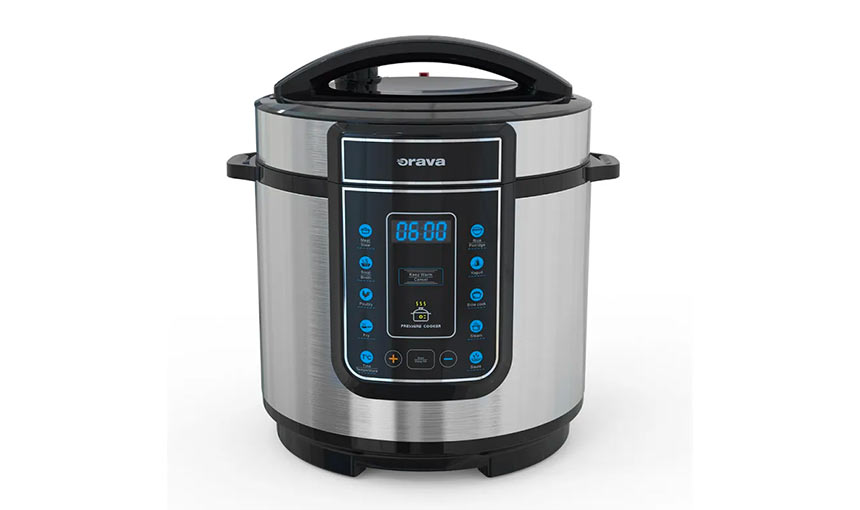
Orava multifunctional pot
For frying, but also for many other types of cooking. Moreover, it has even better consumption and you can take it anywhere, to a cabin, to a camp, on vacation, and just wherever you can think of. ORAVA 9-in-1 multifunctional pressure cooker is not a magic formula, but a truly variable helper for the kitchen. For traditional recipes as well as dietetic and unconventional ones, and you can easily make langoše in it too.
How much a langoš costs at events
At markets and fairs, langoše are mostly sold for between 6 – 8 €, at swimming pools and festivals the price can climb up to 10 €, especially if it is richly topped. Meanwhile, the cost price of one piece is up to 3 € even with all the comfort. This is precisely why langoše are such a popular item for vendors – simple production, quick sale, and a high margin.
What to watch out for during preparation
The biggest pitfall is the dough. If you let it rise too little, the langoše will be tough and dense. Conversely, an overly risen dough will tear during frying. Another common mistake is oil that is too cold – the langoš then soaks it up and becomes greasy. On the other hand, oil that is too hot will cause the outside to brown, but the inside will remain raw. Also, pay attention to the garlic mixture – if you crush the garlic long in advance, it will quickly turn bitter and ruin the taste of the langoš.
How to tell if the dough is properly risen (visual/touchable signal)
For example, „The dough is risen when it doubles in volume and slowly springs back when pressed with a finger.“
Ideal oil temperature (specific data or a simple test)
For example, „The oil should be approx. 170 – 180 °C – if you don’t have a thermometer, drop a small piece of dough in: it should immediately bubble and float.“
How to save dough if it is over-risen
For example, „You can slightly re-knead over-risen dough and let it rest for 10 minutes.“
Recommendations for preparing the garlic mixture – specific timing
For example, „Mix the garlic a maximum of 15 minutes before serving.“
Don't give up when it doesn't work out
„Don't be afraid to try, the first langoš doesn’t have to be perfect.“
Dough storage and its shelf life
Homemade langoš dough can be stored in the refrigerator for a maximum of two days, well covered. A longer period means that the dough will start to sour, losing elasticity and taste. In markets and fast food stalls, however, the dough is often stored for longer, sometimes even three days, to ensure a smooth sale. This, however, is not ideal, and the result is a rubbery consistency. If you want to naturally extend the shelf life of the dough without chemicals, you can add an extra tablespoon of oil or a little yogurt when kneading, which will soften the dough and slow down the fermentation process. Nevertheless, it is best to make langoše fresh and not let the dough rest for too long.
Tips and tricks for storage
Specific recommendations on the method of storage
„Store the dough in an airtight container or plastic wrap to prevent it from drying out.“
Warning for change of smell or color when spoiled
„If the dough smells sour or darkens, it is better not to use it.“
Possibility of freezing (a common question from readers)
„The dough can also be frozen – it is best after dividing it into portions. Before use, let it thaw slowly in the refrigerator.“
Highlighting the shelf life at room temperature
„The dough will not last longer than a few hours at room temperature.“
Tips for reviving the dough after storage
„After taking it out of the refrigerator, let the dough rest for at least 30 minutes at room temperature.“
A healthier langoš variant
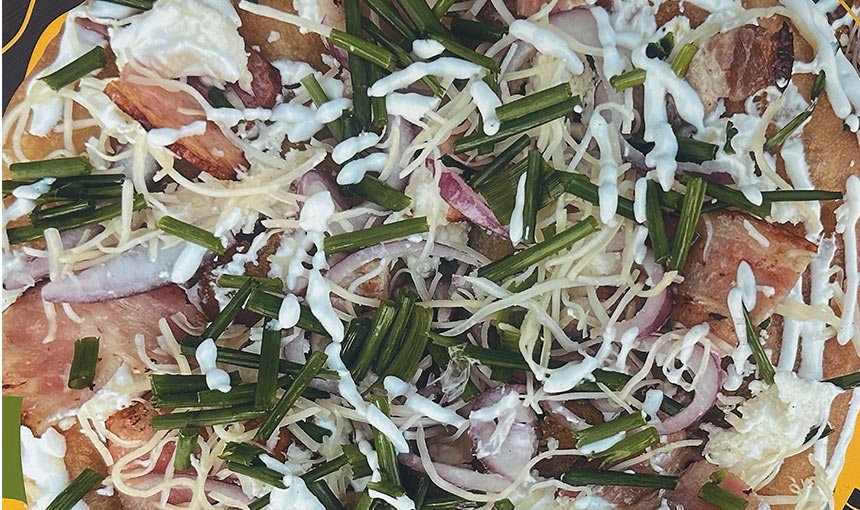
If you want to prepare langoše with less fat, try baking them in the oven or an air fryer. In the oven, arrange them on a baking sheet lined with parchment paper, brush lightly with oil, and bake at 200 degrees for about 12-15 minutes, until golden. In an air fryer, you can prepare them even faster – just 8-10 minutes at 180 degrees. The taste is different; they are not as greasy, but they will surprise you with their lightness and you can more easily include them in a diet where you are watching your fat intake.
Dough specification for the baked version
„You can use the same dough as for classic langoše, or modify it – add yogurt for suppleness or reduce the amount of oil.“
Topping tips for a healthier style
„Try using light mozzarella, ricotta, or a yogurt dip with herbs instead of classic cheese.“
Nutritional comparison
„The baked version contains up to 40% less fat compared to the deep-fried variant.“
Warning about the different consistency
„The texture is not as crispy as the deep-fried version – it is more like savory baked goods.“
Add tips for a gluten-free variant
„Baked langoše also work better with a gluten-free mix.“
Langoš is a dish that combines taste tradition with nostalgia. It smells of summer, swimming pools, and carefree moments. When prepared at home, it is not only cheaper and tastier, but also adaptable to your style – it can be less greasy, with cheese of your choice, fresh garlic, and even a light version from the oven.
Yes, it requires a little time and love for honest preparation, but the reward is one of the most authentic comfort food dishes. Whether you choose classic deep-frying or a healthier version in an air fryer, homemade langoše with the help of Orava appliances will always taste like a childhood experience – just with a slightly more modern approach.

