
Wine drinking trends for 2025: Less alcohol, sustainability and a strong story
Perhaps you are also one of the lovers of this drink of kings. White, red, or rosé – wine in all its forms captivates with flavour and always means a gourmet experience. Wine drinking is a celebration of the moment – whether you treat yourself to a glass at a celebration, on a well-deserved vacation, or with your loved one after a demanding day. Read about the wine drinking trends prevailing for 2025 and the future...
Less Alcohol
Mindful drinking is becoming increasingly popular, which is why more and more wines with a lower alcohol content or even non-alcoholic wines are appearing on the market. Despite this, they maintain complexity and captivating flavour without compromise. For example, the Italian wine Moscato d´Asti has only 5 – 6% alcohol – a sweet, delicately sparkling wine with fruity notes that is excellent as an aperitif or with desserts. Among Portuguese wines, it is Vinho Verde – a light, fresh white wine with a delicate sparkling texture and an alcohol content of only 9 – 11%, which tastes great during summer days. Italian Lambrusco has a similar alcohol content, only 8 – 11% – a lightly sparkling red wine, dry or sweet, which pairs perfectly with Italian dishes. Flagships of non-alcoholic wines include, for example, German dealcoholized wine Eins-Zwei-Zero from the well-known producer Leitz in white, rosé, and red versions, or Californian Cero Zinfandel – a red wine with a distinct fruity aroma. These wines are not just substitutes for classic wines for drivers and non-drinkers; on the contrary, they are increasingly gaining respect even among experienced winemakers. The alcohol-free wine market has been growing significantly in recent years, so everyone can find what they like.
Organic, Ecology, and Sustainability
Organic, biodynamic, and vegan wines are gradually gaining a mandatory place on wine lists in many establishments and in the hearts of wine lovers. Consumers want to know in what conditions the grapes were grown and how the winery handled the wine. For organic wines, grapes are grown without the use of synthetic pesticides, herbicides, fungicides, and artificial fertilizers. Instead, natural methods are used, such as composting, biological pest control, and maintaining biodiversity. The use of chemical additives, such as sulphites, is minimized in the production of organic wines. The fermentation and stabilization process of the wine is as natural as possible. Biodynamic cultivation goes even further than organic. It takes into account ecological, but also spiritual and cosmic principles. Cultivation is governed by a biodynamic calendar, which takes into account the phases of the moon and planetary cycles. Special biodynamic preparations are used, such as composts enriched with herbs or minerals, which promote soil and plant health. The production of biodynamic wines strictly avoids chemical additives and technological interventions. The wine is often spontaneously fermented using natural yeasts.
Even wine packaging is undergoing an ecological revolution – instead of classic glass bottles, wine is packaged in lightweight bottles, box-in-bag boxes, cans, or other alternative PET formats.
Wine with a Strong Story
When selecting wines, emphasis is placed on origin. Authenticity and a strong story are important. Wines from small family wineries are gaining attractiveness, where followers of the winemaking tradition are dusting off traditional techniques, returning to the cultivation of local varieties. Original narratives increasingly resonate with millennials and Generation Z.
Ancient Techniques and Local Varieties – A Return to Tradition
Archaic techniques, such as fermentation in clay amphorae, bring authenticity back to wine culture. These wines are often lighter, have a lower alcohol content, and strongly reflect the terroir – at the expense of mass production. Many wineries are also reviving old local varieties – for example, Xinomavro, Assyrtiko – which are particularly attractive to lovers of originality and sustainability.
Technology – Cutting Edge in Winemaking and Experience
Artificial intelligence (AI), blockchain, AR labels, and smart logistics are penetrating the wine sector. Wineries use drones, satellite images, and sensors to monitor vineyards and optimize production; labels with NFC/AR enable traceability of origin and interactive tracking of the wine's story.
New Regions & Unusual Varieties – Discover the Unexpected
While traditional areas remain popular, interest in non-traditional regions is growing – for example, Greece, Croatia, Slovenia, Romania, Portugal, and also regions like Finger Lakes in the USA. Fresh, often organic, affordable wines from these locations are increasingly attractive. 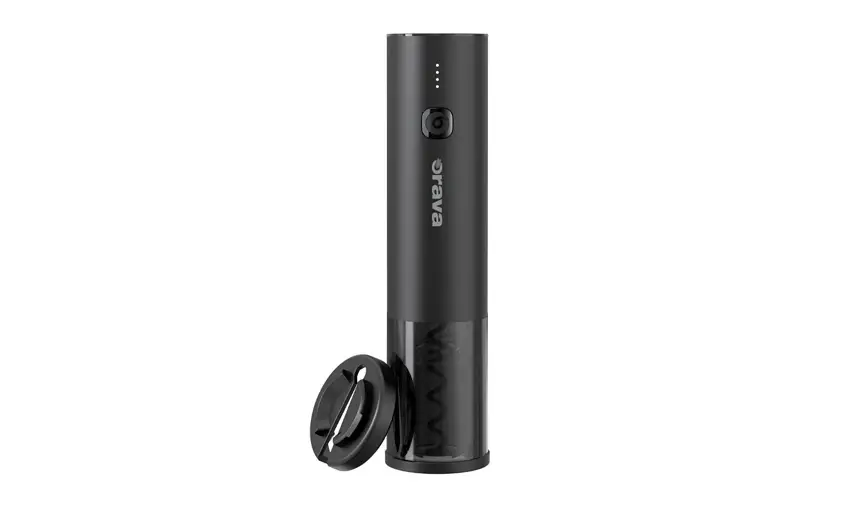
Perhaps we have inspired you and you will decide to taste wine from new regions in the future. Whether you reach for novelties or stick to the classics, use our hot new product to open your favorite bottle of wine – the Orava W-09 electric wine opener, which also includes a small practical foil cutter knife.
Cheers!
Photo: Orava, pexels.com