
Homemade Lasagna: Recipe, Types and Tips That Work
Why make lasagna at home?
Lasagna is a traditional Italian baked dish made of layers of pasta, meat or vegetable ragù, béchamel, and cheese.
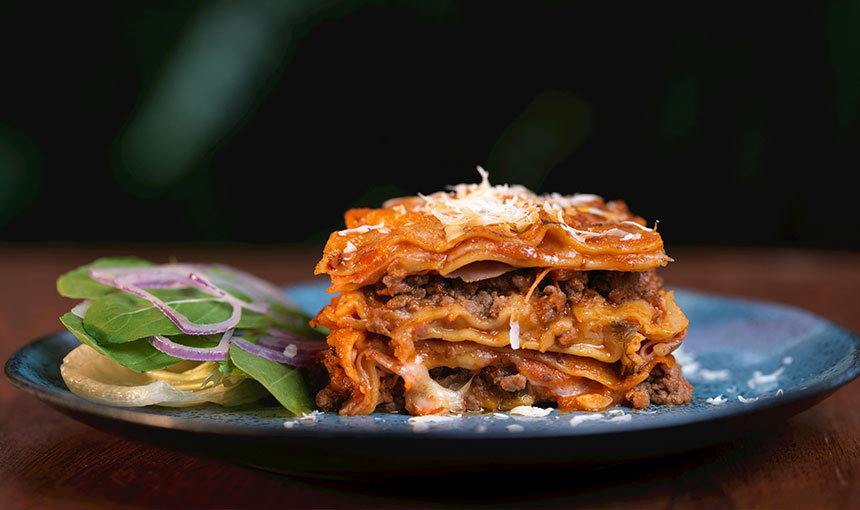
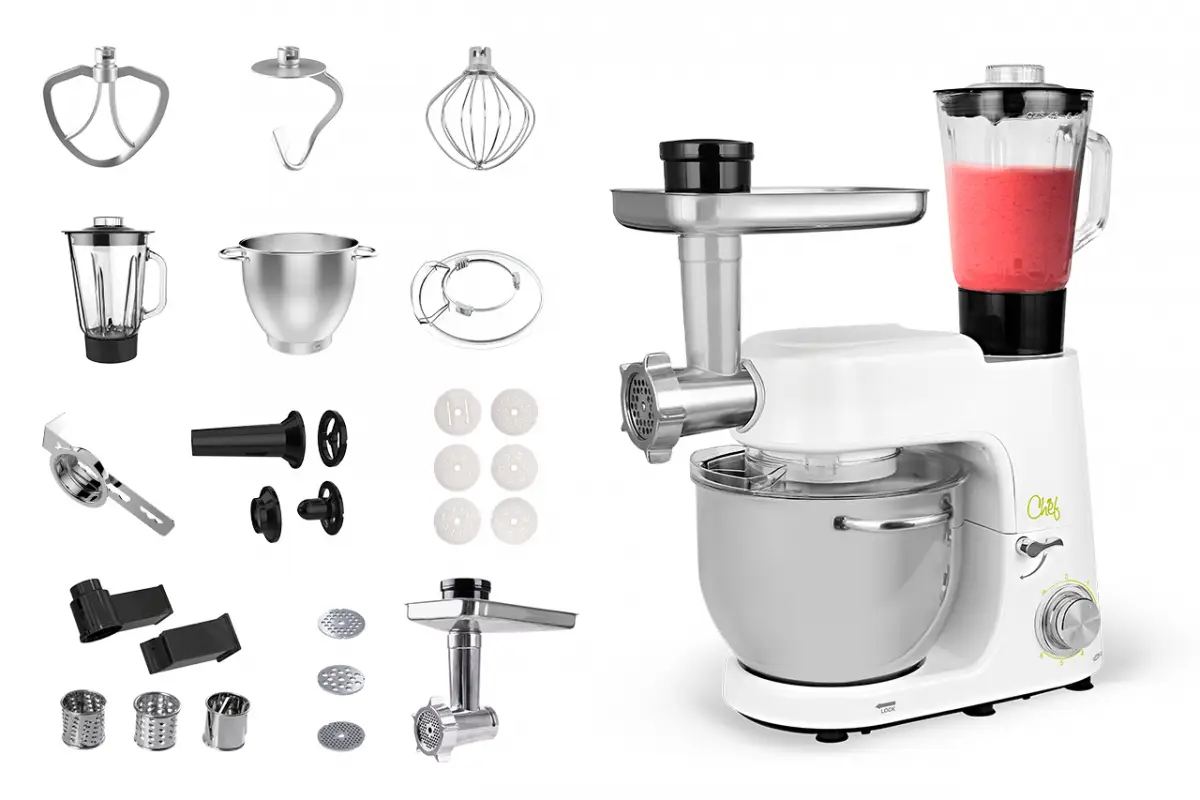
At first glance, homemade lasagna may seem like something only for experienced cooks. But with modern helpers like the Orava Chef kitchen robot and pasta attachments, you can master this Italian classic quickly, easily, and with guaranteed perfect results.
Our (company kitchen) experience confirms that the difference between homemade and store-bought lasagna is obvious from the very first bite.
Homemade vs. store-bought Lasagna – why choose the homemade path?
In our test kitchen, we compared different variations. Fresh pasta from the Orava Chef attachment tastes more delicate, absorbs the sauce better, and feels softer compared to regular store-bought sheets. Plus, you know exactly what goes into your dish – and you can adjust the amount of salt, fat, and cheese to your liking.
What types of lasagna can you make?
- Classic Bolognese – ground beef, tomatoes, herbs, béchamel, Parmesan
- Vegetarian – zucchini, eggplant, spinach, béchamel, cheese
- Cheese – ricotta, mozzarella, Parmesan
- Chicken – chicken, spinach/mushrooms
- Seafood – shrimp or salmon, white sauce, herbs
Proven recipe for homemade lasagna (4–6 servings)
What ingredients will you need for this recipe and what should you buy?
For fresh pasta:
- 300 g plain flour
- 3 eggs
- pinch of salt
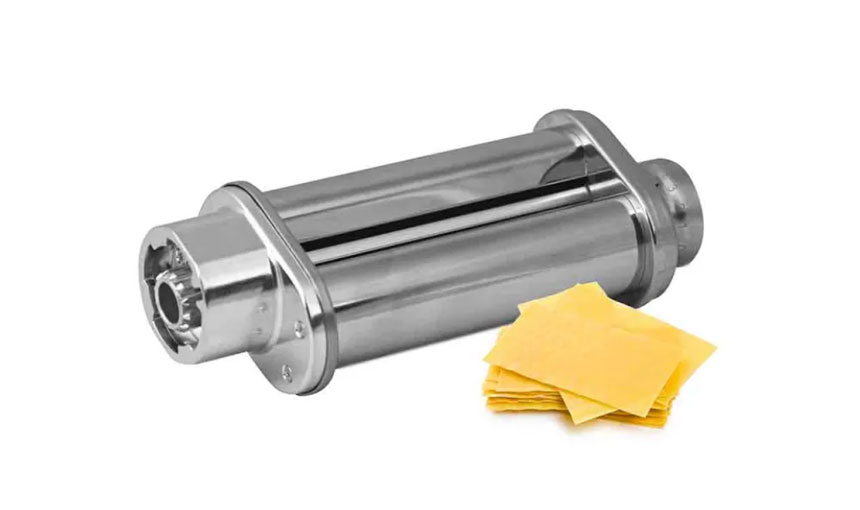
The pasta attachment for the Orava Chef kitchen robot is perfect for making great dough – thin, tasty, and evenly rolled.
For the meat ragù:
- 500 g ground beef
- 1 onion, 2 cloves garlic
- 2 tbsp tomato paste
- 1 can peeled tomatoes
- 100 ml red wine
- olive oil, salt, pepper, oregano
For the béchamel sauce:
- 50 g butter
- 50 g flour
- 600 ml milk
- salt, nutmeg
For finishing:
- 150 g Parmesan
- butter for greasing the baking dish
How to make homemade lasagna step by step
Total prep time: about 1.5–2 hours (including preparation and baking)
1. Pasta dough (prep: 15 min + 30 min resting)
- Put the flour in a bowl, add the eggs and a pinch of salt.
- Knead into a smooth, non-sticky dough by hand or with a kitchen robot.
- Wrap the dough in a cloth and let it rest for at least 30 minutes – it will gain a better texture and be easier to roll.
2. Meat ragù
(prep: 10 min, simmer: 30–40 min – can be done while the dough is resting)
- Heat olive oil in a deep pan or pot. Add finely chopped onion and sauté until golden.
- Add the ground beef and cook until browned and crumbly.
- Mix in tomato paste, peeled tomatoes, red wine, and seasoning (salt, pepper, oregano).
- Simmer gently for about 30–40 minutes until thick. The sauce should be dense so the lasagna holds its shape and doesn’t get soggy.
3. Béchamel sauce
(prep: about 10 min – make just before layering)
- Melt the butter in a small pot. Add flour and stir constantly to make a light roux.
- Gradually add milk while whisking to get a smooth, lump-free sauce.
- Season with salt and nutmeg, simmer briefly until thickened.
4. Rolling the dough
(about 10 min – quicker with the Orava Chef attachment)
- Divide the rested dough into smaller parts and roll each into the thinnest sheet possible.
- If you use the pasta attachment, the sheets will be perfectly thin and even.
- No need to pre-boil – fresh dough softens beautifully while baking.
5. Assembling the lasagna (about 10 min)
- Grease the baking dish with butter.
- Place the first pasta sheet, spread ragù, add béchamel, and sprinkle with cheese.
- Repeat layers until all ingredients are used, finishing with sauce and cheese on top.
6. Baking (35–40 min)
Preheat the oven to 180 °C.
Bake covered (e.g. with foil) for about 25–30 minutes, then uncover and bake for another 10 minutes until golden on top.
7. Rest before serving
Let the lasagna rest for at least 5–10 minutes before cutting. This makes slicing easier and keeps the layers intact.
Overall timeline:
- Dough & ragù prep (simultaneously): 30–40 min
- Dough resting: 30 min (ragù cooks in the meantime)
- Béchamel: 10 min
- Rolling & layering: 10–15 min
- Baking: 35–40 min
- Resting after baking: 5–10 min
The result?
Homemade lasagna that is soft, delicate, and holds together perfectly. Ideal for a family dinner or a festive occasion!
Tips from our experience
- The pasta mustn’t be too thick! The Orava Chef attachment ensures even thickness (tested!).
- The ragù must be thick, otherwise the lasagna will be soggy.
- Make the béchamel slowly, whisking constantly to avoid lumps.
- Don’t rush layering – each sheet deserves attention.
Most common questions about homemade lasagna (FAQ)
Do I need a pasta machine, or can I manage without it?
You don’t! You can roll the dough by hand with a rolling pin – just keep in mind: the thinner, the better. With the Orava Chef pasta attachment, it’s quicker, more even, and less work.
Can the dough be made without eggs (vegan)?
Yes, you can use plant-based egg substitutes and water. The taste and texture will be slightly different, but still delicious. We recommend adding a bit of olive oil for better elasticity.
Can I use store-bought lasagna sheets if I’m short on time?
Of course! We recommend briefly pre-boiling them or using more sauce to make sure they soften well while baking. Homemade dough is softer and binds flavors better – worth it if you have the time.
How do I know if my ragù and béchamel are thick enough?
Ragù should be thick enough to hold shape on a spoon without running. Béchamel should be smooth and creamy, with no lumps. If sauces are too thin, the lasagna will turn mushy.
Can I use other meat instead of beef?
Yes, lasagna works great with chicken, pork, or a mix of meats. For a vegetarian version, try eggplant, zucchini, spinach, and mushrooms.
How long should lasagna rest after baking?
Ideally 5–10 minutes. It firms up, making it easier to cut, with layers holding together nicely.
Can lasagna be prepared in advance?
Yes! You can assemble it and keep in the fridge for up to 24 hours before baking. Baked lasagna also freezes well – when reheating, add a bit of sauce to prevent dryness.
What if I have leftover dough or sauce?
Use the dough for homemade tagliatelle, ravioli, or mini lasagnas. Leftover ragù or béchamel can be frozen for later or used with pasta or baked potatoes.
What’s the difference between homemade and store-bought lasagna?
Homemade lasagna has fresher flavor, better texture, and you know exactly what’s inside. With the Orava Chef robot, you can also adjust the recipe to your taste and dietary needs.
Which wine goes best with lasagna?
For classic Bolognese lasagna, we recommend a dry red wine such as Chianti or Sangiovese. For vegetarian or cheese lasagna, a lighter white wine also works well.
Why Orava Chef and pasta attachments?
Because they help you make perfect dough quickly, easily, and effortlessly. We tested the attachments in our Orava kitchen – the dough is always thin, even, and flawless. Plus, they save both time and energy.